Years ago, Paco Lebron, CEO of the MSP Owners Group and founder of ProdigyTeks, had a job-site accident involving low-voltage cabling.
“That was a lesson of learning to delegate as a leader versus trying to keep everything to yourself, just because you feel like no one can do it like you can,” Lebron told Channel Dive. “You have to be able to understand that it's a team effort to drive your success as an MSP.”
This hubris is common among what “old-school” managed service providers. Lebron is among a new generation of MSPs who have overcome mistakes and shed some growth-limiting habits as technology advances and business models change.
“Stop building your MSP around yourself,” said Lebron. “To scale, you have to get to a point where you’re not needed for every decision.”
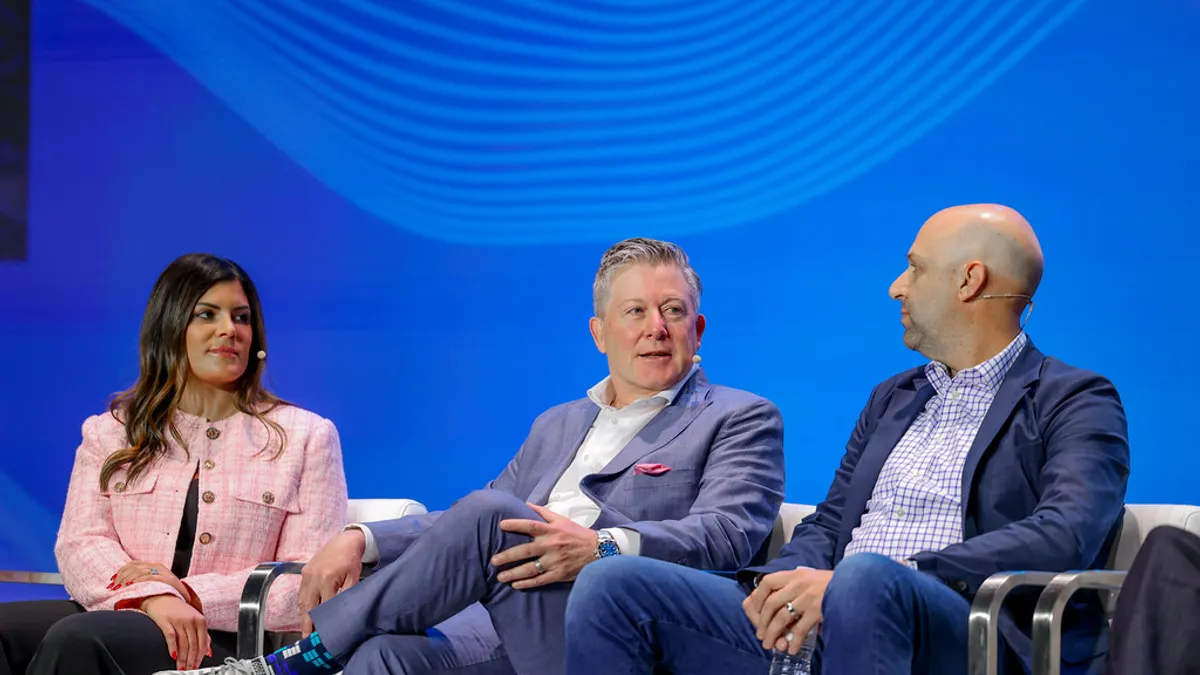
Enitech Solutions President Antwine Jackson can relate. That do-it-all-yourself mindset is one he had to leave behind not long after founding his company 13 years ago. “Once you start trusting people around you, the success part comes more naturally,” Jackson said during a panel at the Channel Partners Conference & Expo.
Lebron and Jackson are millennials with a combined 35 years of IT experience, but modern MSPs are less defined by age than by the ability to evolve and scale their businesses while meeting the needs of modern customers.
Learning to trust the expertise of employees, peers and colleagues is one of the most important disciplines for a modern MSP. The same mindset extends beyond people and into the adoption of advanced systems that power the business.
Automation vs. revolution
Many traditional MSPs still operate on a break-fix model — reactive support billed by the hour or the incident — and measure success by ticket volume. Those MSPs may be the same ones using RMM and PSA tools as standalone systems rather than building them into a more integrated, automated service delivery platform.
Meanwhile, what customers actually want has changed. They're not looking for a fix-it crew. They want an advisor who can help them think through IT spending, weigh cybersecurity and cloud investments, and connect daily decisions to business outcomes.
“We're not drilling down on traditional MSP services anymore; those are table stakes,” said Jackson. “We're having conversations beyond the technology: How we can leverage technology to produce that desired outcome for the customer?”
The panelists underscored a direct connection between the discipline MSPs bring to running their businesses and the value they provide to customers. Those that fail to modernize their own processes will most likely struggle to turn technology investments into real results for their clients.
That’s something Jess Bergeron, Personified’s COO, has seen firsthand.
“We say internally, ‘Focus on the doughnut; not the hole,’” said Bergeron, during the panel. “We are focused on where we can uniquely be agile and support those clients and their unique needs, while adapting internally and making sure we capitalize on the opportunities in front of us—whether it’s with clients or our current staff.”
That mindset shift shows up in how modern MSPs think about staffing and growth, too: less headcount, more leverage.
“We’re at a point now where we’re not in the business of who closes the tickets fastest,” said Lebron. “It’s about who gives our clients the best judgment so they understand what they can do, and to get the best results.”
Despite the changing landscape, the opportunity for the top managed service providers remains significant. Mordor Intelligence says it will grow from $430 billion in 2026 to more than $704 billion in 2031. ConnectWise adds that the average MSP is growing at a clip of 12% annually.
“Being more nimble encompasses what we do,” said Jackson. “It’s not about tickets; it’s about business outcomes. It’s getting out of that traditional mold – ‘prison’ – that for years has kept MSPs from thriving.”