

Dive Brief:
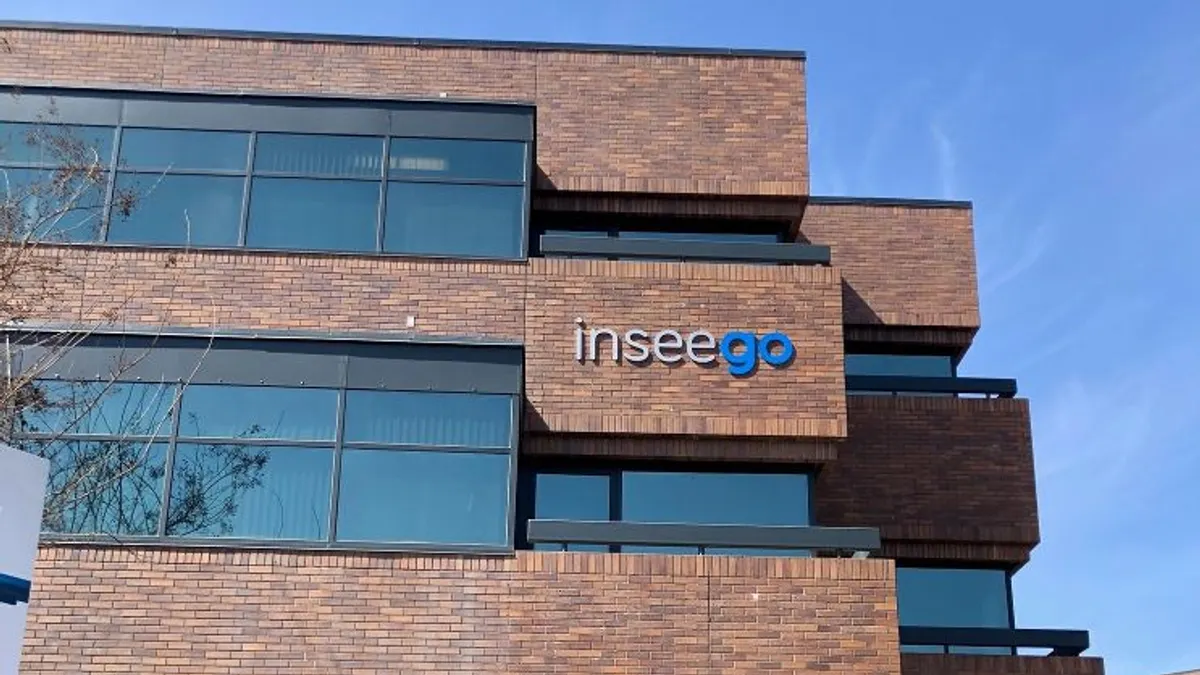
- Telecom equipment maker Nokia is selling its fixed wireless access business to Inseego and taking approximately 11% ownership in the IoT and mobile networking specialist, the companies said in a Thursday announcement.
- Inseego doubles its revenue as a result of the deal and expands its play in wireless edge solutions. As part of the deal, Inseego will give Nokia shares worth about $20 million.
- The companies said they will align closely in go-to-market and will jointly help carriers monetize 5G. “This was about selecting a strategic partner that can support the continuity with our customers, continue to innovate, invest for growth and further advance the FWA business,” Nokia Chief Corporate Development Officer Konstanty Owczarek said in a conference call.
Dive Insight:
Nokia is concentrating its firepower on network infrastructure and mobile infrastructure in line with a new operating structure announced Nov. 19, 2025. The shift requires a tactical retreat from wireless endpoints.
“The infrastructure giants decided that FWA is a specialist business, and they're betting on the specialist,” said Michael Ginsberg, president of 5Gstore, an Inseego partner.
Ginsberg said the deal strongly positions Inseego, a company known for its MiFi mobile hotspot product, against the likes of Ericsson’s Cradlepoint, Hong Kong-based Peplink and other router and modem makers.
“In a market where execution, supply chain, support, and product depth all matter, this should make Inseego a much more formidable competitor,” Masters Telecom CEO Doug Kerl told Channel Dive in an email.
However, what the move will do for resellers like 5Gstore is another question. 5Gstore and its peers are authorized to sell a small set of Inseego SKUs, but Ginsberg said the majority of Inseego devices are sold by the largest telcos. It is difficult for channel partners to compete with the discounts carriers offer as part of bundled products.
“[Inseego] sold pallets of them to carriers. Carriers would give them away to entice people to sign up with Verizon, T-Mobile, AT&T, and we don't live in that space,” Ginsberg said.
CSG CEO Michael Pittman said Inseego developed a reseller program in 2023 but ultimately dissolved the channel team after new CEO, Juho Sarvikas, arrived last July.
“They tried to push the channel side. The pendulum did not swing enough. Inseego's stock price was really struggling,” said Pittman, whose company was previously on Inseego’s partner advisory council.
New channel leadership could crack the code. Zack Kowalski was hired as VP of business last August to drive all non-carrier channels, including value-added resellers, managed service providers and OEMs.
“The expansion of our indirect business channels is critical as customers seek new solutions and services in the rapidly evolving 5G era,” Sarvikas said last year.
Ginsberg and Pittman would welcome additional reseller SKUs. Pittman particularly liked the Inseego FX 4200 indoor wireless router, which Inseego ultimately made carrier-only.
“I've seen the way that they make and test products. I think it's incredible. They make really good products,” Pittman said.
Increased competition from Cradlepoint and Peplink could spur an aggressive channel push, as both leverage resellers and distributors. Cradlepoint’s NetCloud management platform also locks in enterprise customers, making it tougher to lure them away with gear alone.
“This might get them there quicker, because they have a slew of products, but I guess time will tell if they change their mindset,” Ginsberg said.
Inseego’s spokesperson said the acquisition adds partner relationships with several global carriers, naming Bharti Airtel, Orange, Rogers and NBN. The company said it was too soon to comment on its partner strategy outside of large telcos.