


DALLAS - A referendum on generative and agentic AI has rippled through the enterprise IT industry in 2026 as token costs skyrocket and returns on investment remain earthbound. The technology advisor channel has felt the ripples of stalled projects and budget challenges in recent months.
“[Customers are] slowing down, being deliberate and making sure that it works before they move forward,” Travis O’Keefe, IT consultant and principal partner at Forge Technology Advisors, told Channel Dive at the Telarus Partner Summit this week.
TAs enjoyed a sales lift last year as demand rose for automation-infused customer experience and unified communications offerings, but partners want to go deeper with AI. They are aiming to sell products and vendors outside of the CX and UC space and guide clients into AI readiness.
“Last year was a lot of selling AI,” C3 Technology Advisors VP of Operations Taylor Rose said. “I think this year is more, how do you enable your clients to lean into AI?”
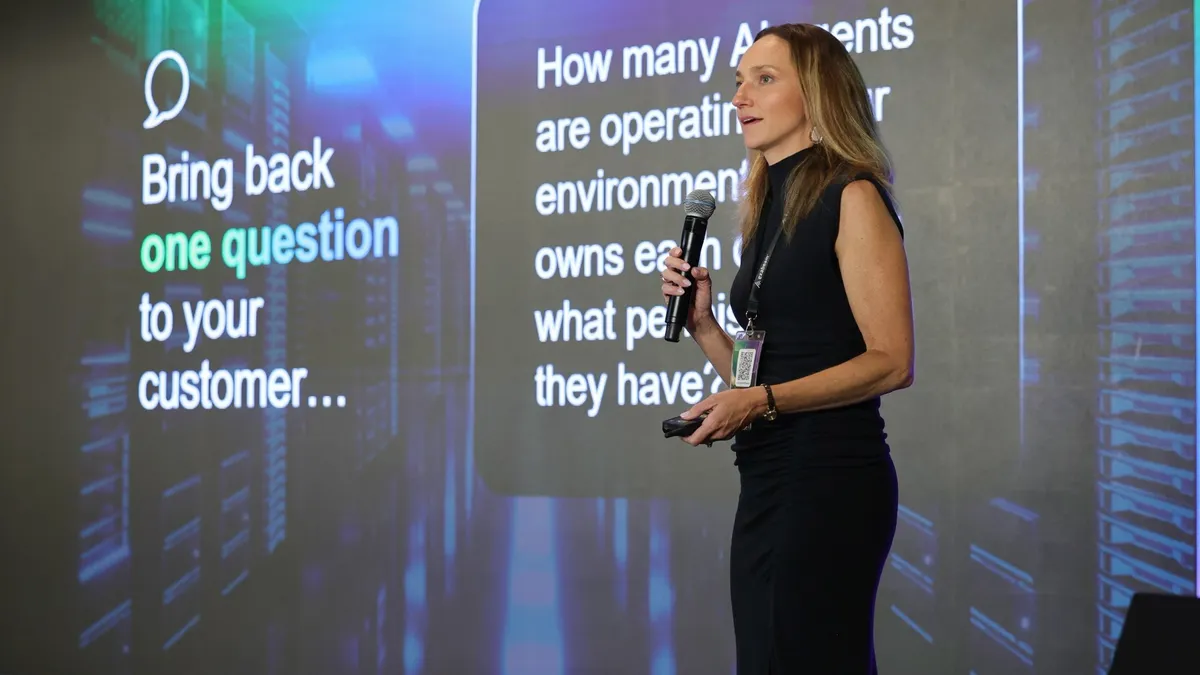
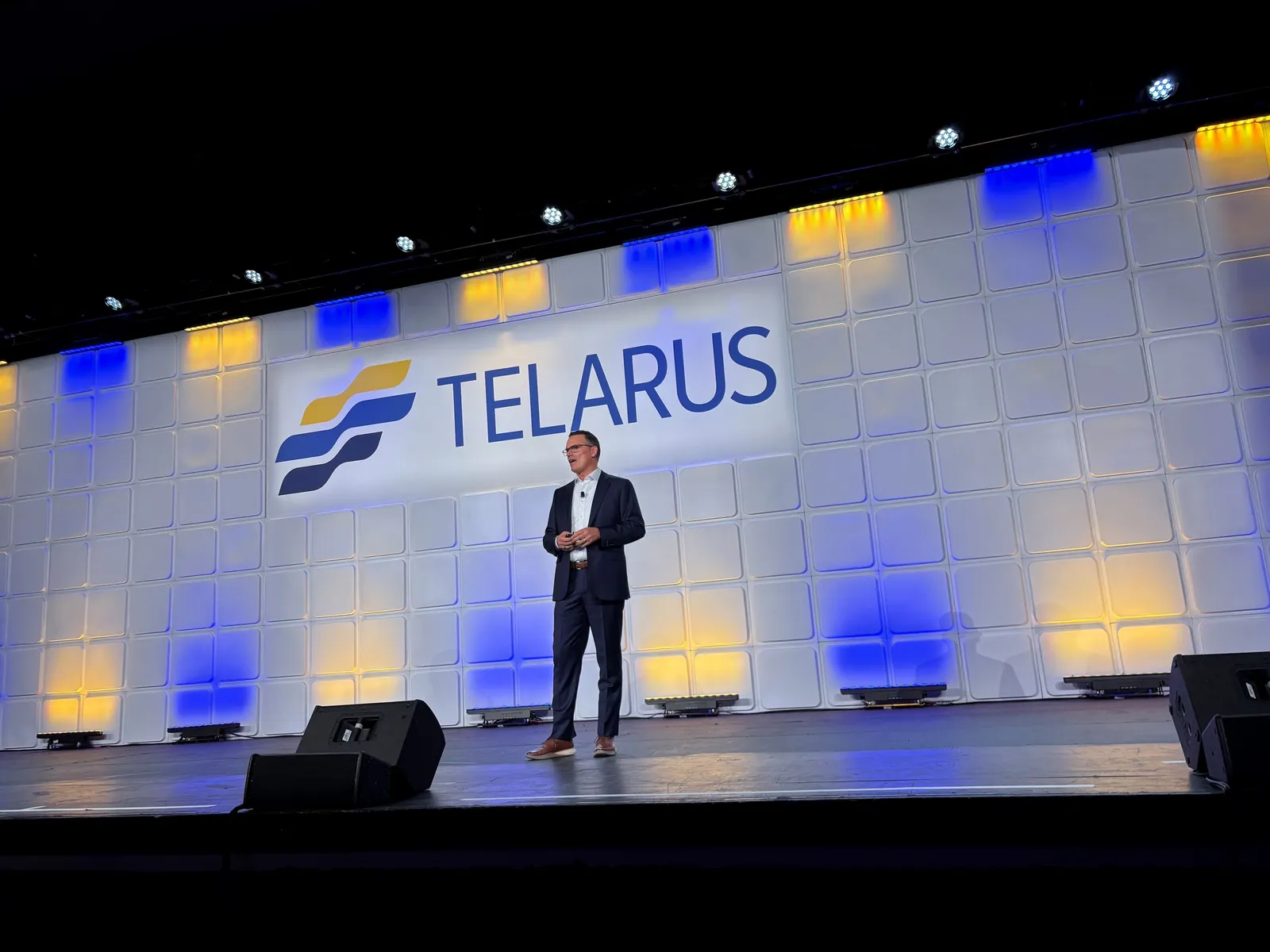
The IT industry is recovering from a hype cycle driven by C-suite fears of being left behind on AI adoption, Telarus CEO Adam Edwards said in his keynote speech Tuesday.
Reports of corporations publicly shaming employees for not using enough AI tokens were common, as LLM vendor executives stoked anxieties with tales of AI replacing human workers en masse.
“I think that cycle lasted about four or five months when people blew through their AI budget by February of this year, and then the CFOs entered the conversation,” Edwards said. “‘What are we getting out of this? Are our customers better off? Is our revenue growing? Is our risk decreasing or cost decreasing?’ And the answer generally was, ‘No, none of the above, but we're sure spending a lot of tokens.’”
Investment angst
IT leaders have also found themselves in a budget bind. The money is there, according to a recent Telarus Tech Trends report previewed on stage Thursday. The survey found that 84% of midmarket and enterprise organizations expect technology budgets to increase.
AI budgets are often above the heads of IT leaders, O’Keefe said. Companies justify AI costs by saying investments will free up labor spend, but the savings happen outside of IT. The dynamic leaves IT directors and VPs stuck without full purview of the tech budget.
“Now you have the problem of, ‘I need a bigger budget in IT, and I'm not going to benefit at all from the cost reductions over here,’” O’Keefe said. “A project can't get done because it can't be justified without having everything under one umbrella of the people that it's affecting versus the technology.”
Many businesses realized they had to restructure entire workflows and data sets before they see a return on AI investments.
“Put a brilliant agent on top of a messy company and nothing changes,” Disruptive Innovations CEO David Wright told Channel Dive.
Systems integration
Interoperability has also risen on the list of customer priorities. Millennials and Gen Z’ers, which comprise the majority of business decision makers, place a high value on products that integrate well, according to Jay McBain, chief analyst at Channel Dive sister company Omdia.
RingCentral VP and Head of Channel Brandon Thomas said customers want to know how seamlessly a communications platform connects with ERP and CRM systems. The playbook for selling UC historically revolved around per seat pricing, but partners have to talk about more than that now.
“UC and CX licenses are certainly a part of that, but how everything's working together is going to be way more important,” Thomas said.
Two of the biggest model builders — Anthropic and OpenAI — are partnering with global systems integrators and consulting firms to help drive enterprises to deployment, underscoring the importance of third-party partners. TAs are not members of those channel programs, but could find a seat at the table.
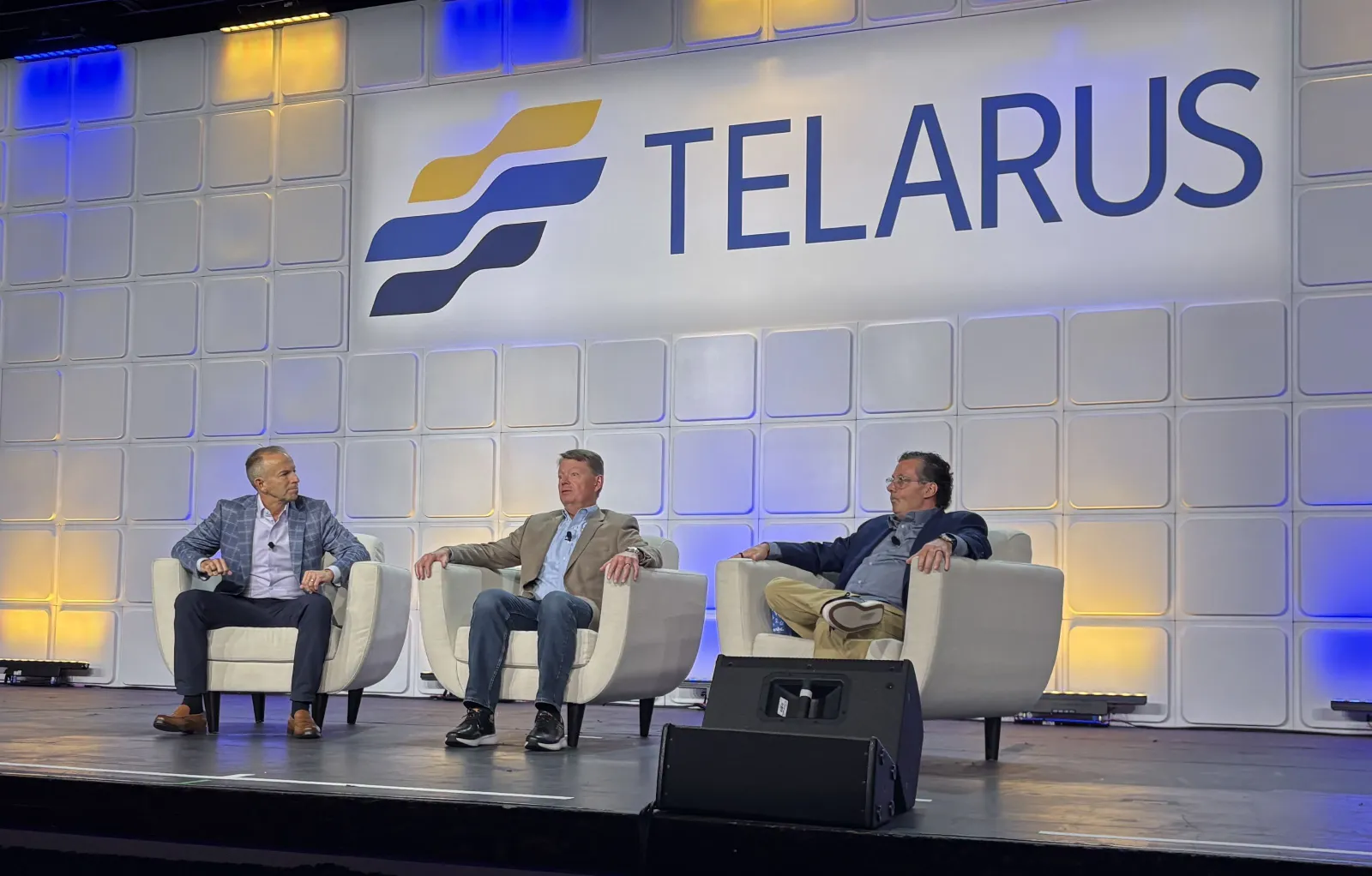
“We may be in there adjacent to a GSI, but really we come in there with category expertise that Deloitte and Accenture doesn't have,” Telarus CRO Dan Foster said during a panel. “Think of all the CX deals and security deals we've had.”
The knowledge TAs accrued from past engagements is a selling point, whether the technology was long-distance, contact center or mobility, Forge Principal Partner Jacqueline Catala said.
“We would learn across many customer environments what UCaaS thing was working and why, and which suppliers are working and why,” Catala said. “The same for AI. We're touching many businesses and many AI projects that they're not touching.”
The TA channel is reckoning with its own role in the AI hype cycle.
“We didn't follow our mainstay: don't take it to the market until it's fully baked,” Forge Technology Advisors Principal Partner Michael Brennan said. “We rushed AI because it was the buzzword, and people wanted to capitalize on it.”
TAs initially latched onto the available products, which were limited. Firms frame themselves as trusted advisors for all IT decisions but their AI engagements are often limited to UC and CX. If they can get their hands on software for internal IT or vertical-specific operations, they can expand their relevance.
“We're siloed in the conversation, which is why I say the TAs need to be able to broaden the scope, which is dependent on the TSDs to bring in more vendors into the equation,” Brennan said.
A new model
AI strategies are propelling TAs into full-blown consulting. It’s a major shift in an industry built on helping businesses procure technology and services. Firms that are used to generating revenue from vendor commissions are now charging for their time and advice on projects that don’t end in a sale.
“You’ll probably see more [cases] where you're helping them create the roadmap of how you move forward versus like ‘Okay, the endpoint is this supplier part of this product right here,’” said Kat Lopez Shelby, CEO of Shelby Technology Solutions.
The consulting model is essential, according to Nabila Lulow, who founded NobleOne Consultants late last year. The firm uses a TA-based commission-based agency model, but engagements can take upwards of a year to turn into revenue. Add to that the fact that the client may ultimately need a vendor that is outside the TSD portfolio, and jumping headfirst into an AI-focused TA business becomes very difficult financially. Charging for consulting allows Lulow to be a vendor-neutral advisor, she said.
“NobleOne approaches AI as a consulting engagement, working with clients on an hourly basis and bringing in the right AI coaches, technical experts and resources as needed,” Lulow told Channel Dive. “This flexible model lets us provide the expertise clients need, when they need it, while helping teams build lasting AI capabilities.”
In-house adoption
The TA approach to AI adoption has been to become customer zero.
Accelerate Partners pivoted to staff an in-house AI consulting team after previously using a vendor partner to conduct readiness assessments. CEO JP Panzica said the company added people to develop and train LLMs and consult on AI roadmaps. The approach paid off in a consulting engagement with a group of mid-market private equity firms.
“We took them through the exact models that we went through internally, helped them come up with a thesis, wrote their acceptable use policies and they wound up going into a managed Claude instance,” Panzica said in a keynote panel Tuesday.
C3 Technology Advisors is learning by doing. The firm is migrating to a new CRM platform as part of a move to make the most of its data, and it tapped an employee AI training program from the Telarus University education platform.
At close to 50 people, the Michigan-based firm is one of the larger TAs, and it has needed to formalize its use of data and technology. The project encouraged Rose to put on her CIO hat.
“It was always the joke that we did things on Excel sheets, bubble gum and band aids,” Rose said. “Now as we continue to grow that structure, the technology has to be there to help.”