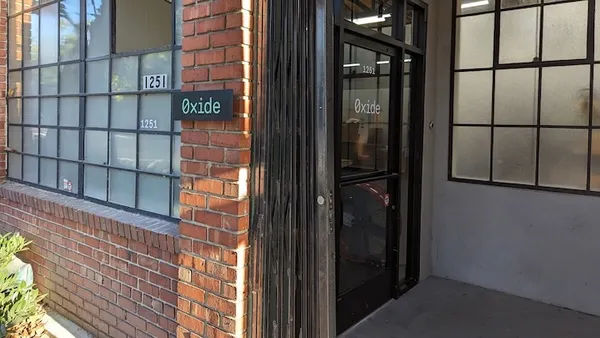


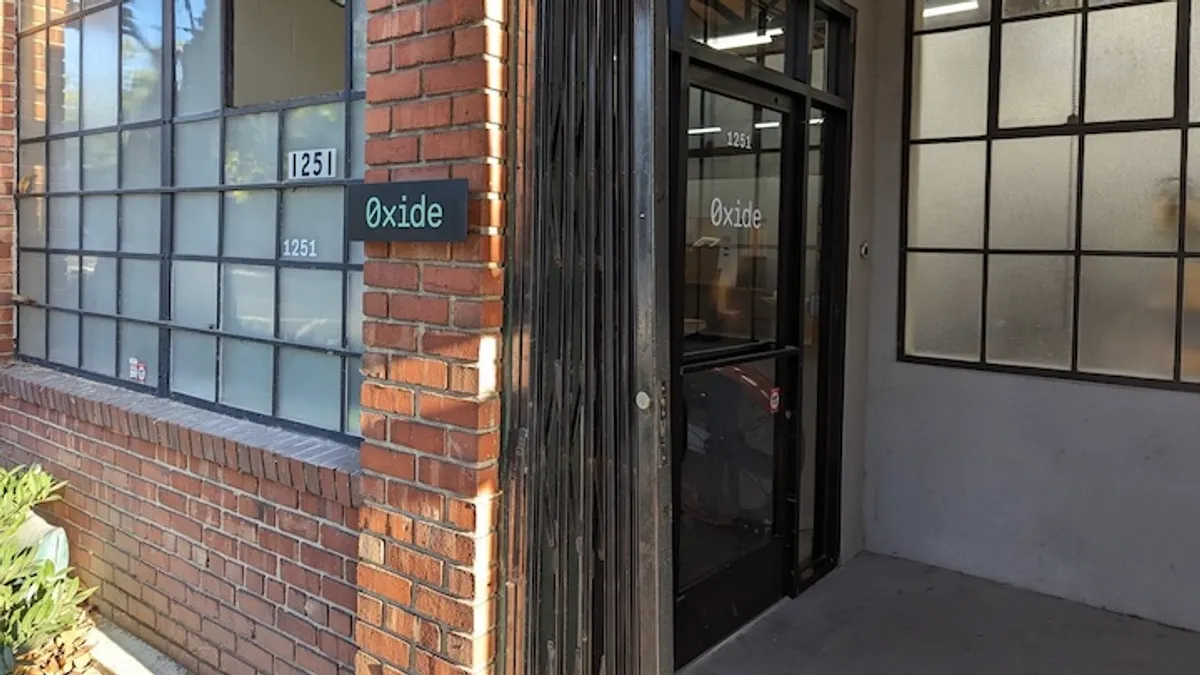
Oxide Computer Company raised $445 million in series D funding to expand production of its on-premises cloud systems, the California-based startup said in an Oct. 9 announcement. Venture capital firm Eclipse led the round, which included new investor AMD Ventures.
The capital infusion comes as rising hardware prices prompt renewed scrutiny of the cost of renting infrastructure from hyperscalers. Oxide says it became profitable earlier this year, noting demand for its on-premises infrastructure continues to exceed production capacity. The company expanded manufacturing capacity twentyfold over the last year.
"The added capital depth and new strategic investors allow us to stay ahead of customer project deadlines, help ensure our customers stay under budget and ensure we have partners included in the process," Steve Tuck, Oxide co-founder and CEO, told Channel Dive.
The financing follows a $200 million Series C in February. Oxide said the additional capital will help it buy components, further increase manufacturing output and continue taking orders.
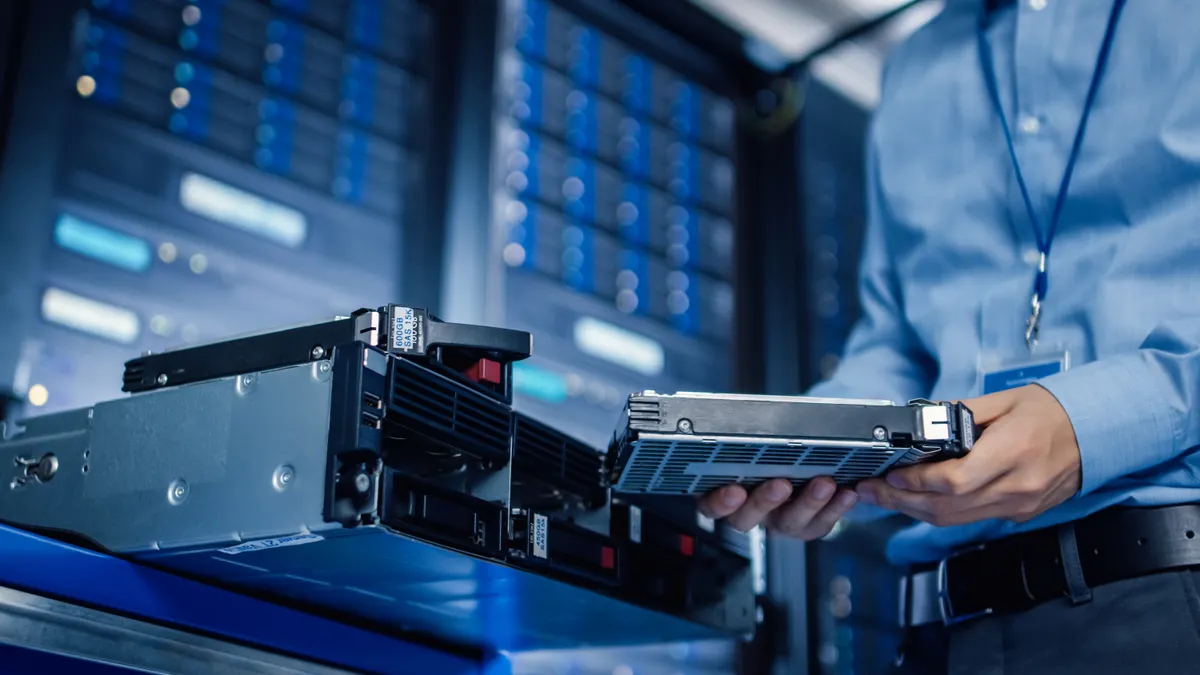
The company builds rack-scale systems that combine compute, storage, networking and open-source software to provide cloud-style automation in customer data centers. Oxide maintains that enterprises can avoid paying a third-party infrastructure provider indefinitely while retaining the operational convenience of cloud and greater control over their data and security.
The expense argument is growing more urgent. In a Sept. 30 report, research firm TrendForce projected fourth-quarter contract price increases of 10% to 15% for conventional DRAM and 15% to 20% for NAND flash, citing an ongoing hyperscaler-led data center building boom.
“Paying a rental premium on top of that increase has become prohibitive for many companies," Tuck said. "The economics of ownership have grown even more appealing.”
Large cloud providers are insulated from price increases, according to a TrendForce study. The tech consulting firm found that hyperscalers are protected by multiyear supply agreements that limit increases, while smaller customers are left to grapple with pricing and supply chain woes.
The economics of on-premises infrastructure depends on workload patterns. Tuck acknowledged the "significant complexity, capacity planning woes, and persistent underutilization" historically associated with ownership. He said Oxide's combined hardware and software reduce that burden, but did not provide comparative total-cost-of-ownership figures or customer savings data.
Oxide said agentic AI is a major driver of demand for its hardware, which runs on CPUs rather than the GPUs typically associated with large-model training. Tuck cited AI data preparation, reinforcement learning, security-critical control plane systems and agentic workflows as examples of the workloads customers are pursuing.
In addition to AI workloads, Oxide’s customers are shifting operational workloads to on-premises data centers, according to Tuck. "We see equal parts cloud repatriation, conventional infrastructure modernization and AI expansion," he said.
For channel partners, cloud repatriation and modernization represent opportunities. Oxide serves customers in financial services, government, national laboratories and aerospace. The company partnered with IT services provider Carahsoft last month to bring on-premises systems to government buyers through resellers and public-sector contracts.
Oxide’s integration of hardware and software is meant to reduce routine assembly work. The approach helps channel firms support customers with project deployment and scaling, allowing partners to "focus on higher value work," Tuck said.
Oxide collaborates with AMD on hardware and software development. The semiconductor giant’s investment in Oxide comes without disclosed commitments on component pricing or delivery guarantees.
For customers, how long and how consistently they need computing capacity can change the calculation. Tuck acknowledged that public cloud makes financial sense under certain conditions.
"The benefits of public cloud can include cost savings, in cases where the workload patterns are unpredictable and/or short-lived; much like staying in a hotel can be cheaper than renting an apartment or buying a home," he said.