Dive Brief:
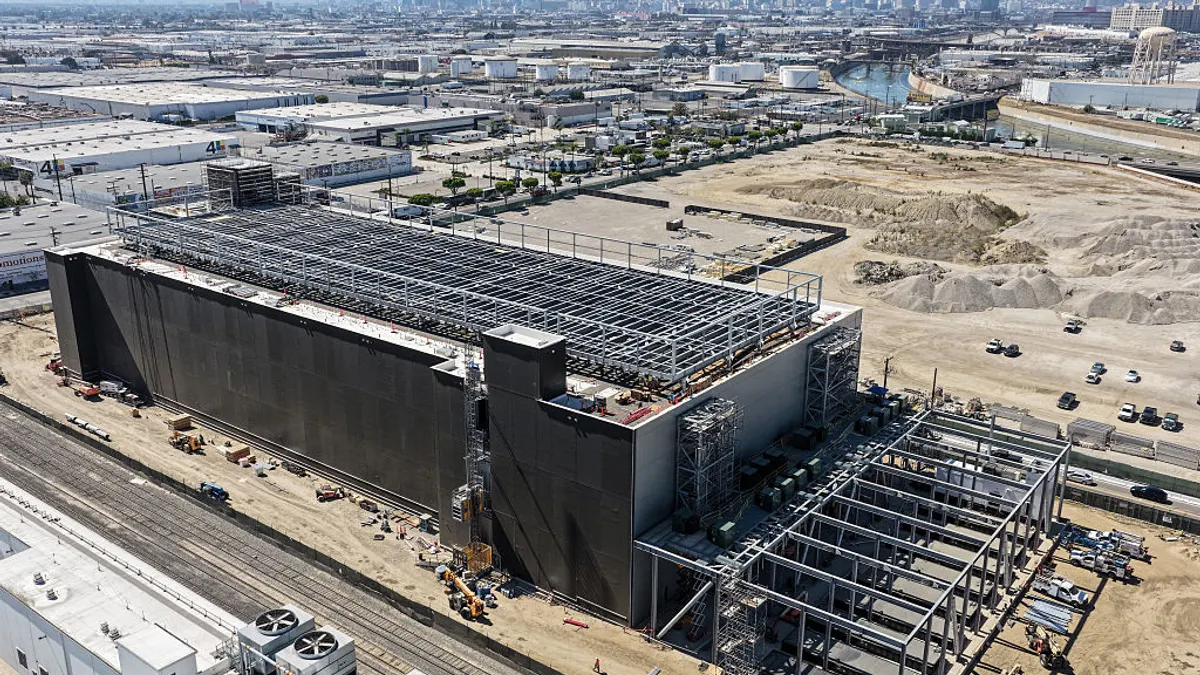
- As AI demand skyrockets, equipment shortages and limited electric grid availability have constricted the data center buildout. Despite record construction activity, the North American data center market is grappling with finite power infrastructure capacity, according to CBRE's latest North American Data Center Trends report published Thursday.
- New data center construction rose by almost 25% in the first half of 2026 across major U.S. markets, including Northern Virginia, Atlanta and Dallas-Fort Worth. Total power grew by a third year-over-year — but vacancy rates, representing the percentage of power capacity available for lease, fell to a record low 1.4%, per the report.
- “The scale at which we're building today is significantly larger than what it was five years ago, and completely different than what it was ten or 15 years ago,” Pat Lynch, global executive managing director for the data solutions group at CBRE, told Channel Dive. “It is unlike any other industry in my lifetime, where you can triple supply, yet still have vacancy rates going down.”
Dive Insight:
Amid declining vacancy rates, data center landlords like Equinix and Digital Realty are leasing space faster than developers can build it with necessary power infrastructure. Net absorption, which measures change in leased space, increased by almost 12% in the first half of 2026, CBRE found.
Rental rates are also rising, reflecting how limited power availability is boosting prices for major tech giants and smaller enterprises looking to lease data center space for AI operations, according to Gordon Dolven, head of Americas data center research at CBRE.
“Rental pricing and vacancy rates have been perfectly inversely correlated in our report for the last few years,” he said.
For their clients looking to acquire data center space, Dolven recommends looking at leasing options three years ahead of schedule and being flexible about location. Data center space in Northern Virginia’s “Data Center Alley” may be unavailable, but Atlanta and Columbus, Ohio could have openings.
Northern Virginia remains the largest market by inventory, but Atlanta has emerged as the top market for total construction in North America. Data center development in the region surged over 50% year-over-year in the first half of 2026, surpassing Data Center Alley for the first time, according to the report.
“You’re seeing Reno, Nevada compete with Silicon Valley,” Dolven said. “You're seeing Atlanta, Georgia compete with Northern Virginia. You're seeing so many new markets pop up because they're trying to seek out that available power capacity.”
Amid the massive data center buildout, concerns about overbuilding, land use and water availability have plagued the tech industry, spawning anti-data center sentiment among activists, communities and politicians.
CBRE is AI-optimistic. “We’re applying our industry to AI on a daily, hourly basis,” Lynch said. “If we think back on history, there were thoughts that the automobile would ruin industry. There are so many doom-and-gloom periods if you look back, and these technologies redirected employment in some ways, but they also made broad steps in improving our livelihood. I think AI will be the same thing.”
Still, having lived through the Telecom bubble of the early 2000s, Lynch said limitations to the data center buildout might help investors.
“I could make the argument that limited power, which has been a bit of a throttle [to the data center market], could potentially limit an overbuild situation,” he said.