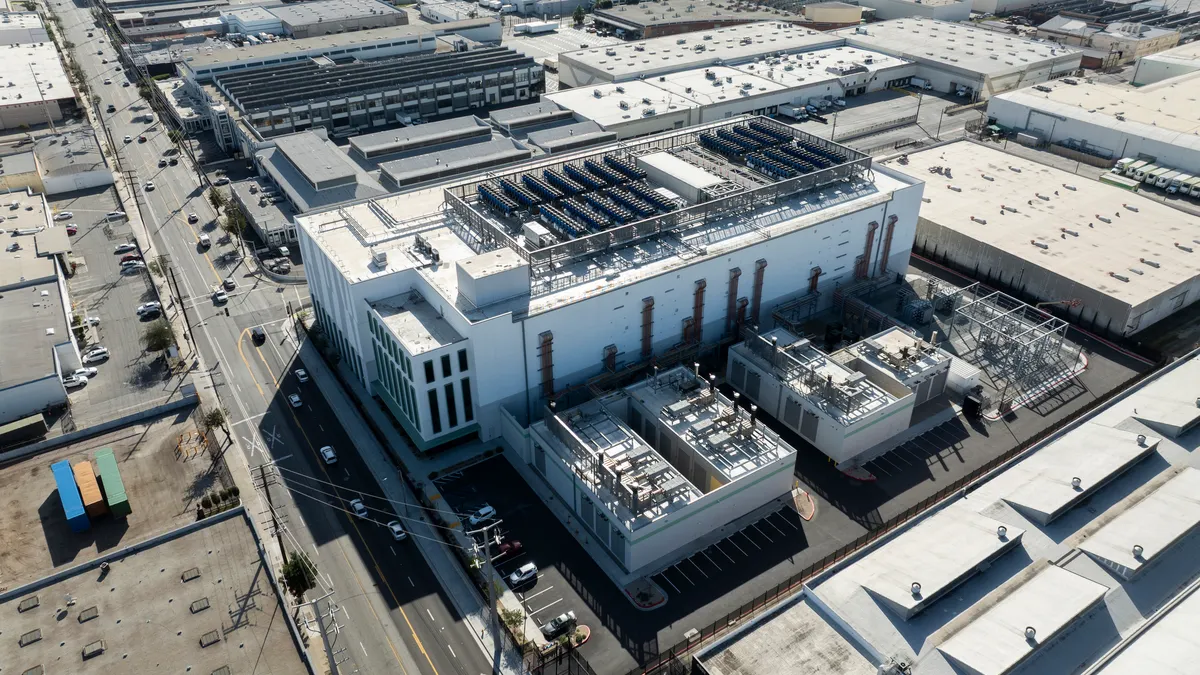
Available power for AI infrastructure hit record lows even as global data centers brought more capacity online in Q1 2026. Total inventory surged 33% in North America year-over-year, according to CBRE research published last week.
"A data center without power is just a physical structure,” Gordon Dolven, head of data center research at CBRE, told Channel Dive.”The servers won't be energized, they won't be operational. We used to say in the olden days that it’s just a cold refrigerator.”
The decline in accessible power, measured by vacancy rates, is extending construction timelines and complicating site selection for data center projects across the U.S. In Northern Virginia’s “data center alley,” vacancy rates dropped to 0.3%, effectively selling out the world’s largest data center market. In Atlanta, another key market, vacancy rates sit at just 1%.
Strong demand for AI infrastructure from startups, neocloud providers and hyperscalers that eats up grid availability is driving the record-low vacancy rates.
“The robustness of demand continues to astound me,” Dolven said. “We have all-time low vacancies driving all-time high prices, even with record increases in inventory. Demand continues to be incredibly resilient across the globe.”
The challenge for hyperscalers building out AI infrastructure is multifold, Dolven said. Long utility wait times, electrical equipment bottlenecks, community opposition to construction and, most of all, ongoing power scarcity are pushing up project costs and timelines.
Five years ago, a data center proposal might have entailed five megawatts of IT power. Now, massive facilities built to support mounting AI reliance could require 500 megawatts and 500 acres of land, according to Dolven.
“It's a critical component of every development to put the power procurement first,” Dolven said. “I would say we remain in a power-constrained market.”
As the power supply tightens, landlords that build and lease data center facilities to tenants, including hyperscalers, are in a strong position at the negotiation table, Dolven said.
The result is booming rental rates. In the U.S., rental pricing is increasing steadily — with the steepest gain reaching almost 15% year-over-year in Chicago at prices ranging from $200-$230 per kilowatt-hours per month, according to the report.
Data center infrastructure companies like Equinix are expanding their colocation spaces to provide rentable facilities to multiple customers, including partners working on behalf of enterprises.
For enterprises and partners seeking data center space in tight markets, long-term planning is essential, Dolven said.
“We’re seeing occupiers and tenants across every small, medium and large business having to talk about their IT strategy with their CTO or their CIO, 24 to 36 months in advance of a lease expiring at a co-location facility,” he said.
The power crunch is also driving another challenge: community pushback. As data centers become bigger and more energy-intensive, residents near the sprawling projects are raising concerns about electricity costs, environmental impact and noise and visual pollution. In some markets, city councils and planning committees are a major roadblock for data center development.
In the age of AI, hyperscalers, enterprises and partners alike will have to weigh growth alongside power availability, pricing constraints and the communities they serve.