
The managed services industry has spent the better part of two decades adding tools. A PSA platform here, an RMM solution there, a security product when the threat landscape demanded it. The logic was sound: find the best tool for each job, integrate where possible and train your team to operate across the stack. That era is over.
The shift is not primarily about individual tools becoming obsolete. It is about what the stack as a whole can no longer support. As AI moves from pilot to production across the channel, the fragmented architecture most MSPs are running on is becoming a ceiling on growth, not just an operational inconvenience.
The evidence is already in the margin data. According to a 2025 study by Heimdal and FutureSafe, only 11% of North American MSPs report seamless integration across their toolsets. The average MSP runs on net margins of around 8%, while top-performing firms reach 18%. That gap reflects how efficiently information moves through the business. Fragmented stacks create friction at every handoff. Top performers have found ways to reduce that friction. Most of the industry has not.
AI sharpens this divide significantly.
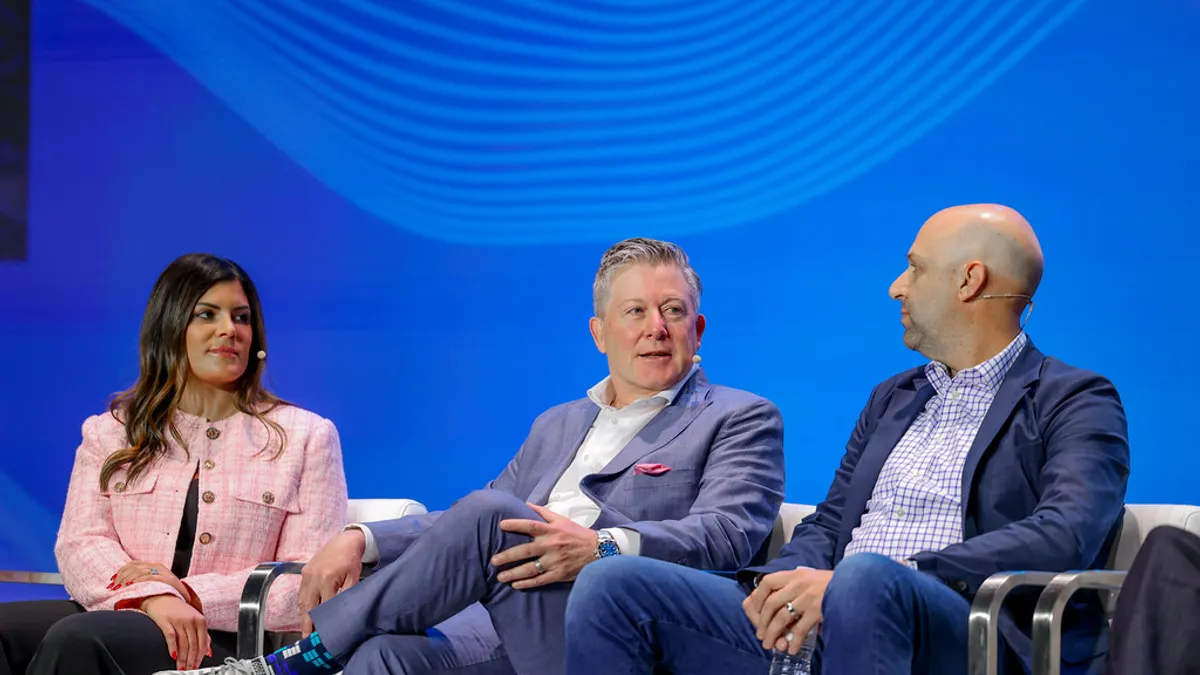
"The tech stack can be siloed and still work, but today AI needs data," said Arvind Parthiban, CEO and cofounder of SuperOps. "For AI to make better decisions, act independently and operate autonomously, you need a holistic platform."
The distinction matters because AI is not simply another layer to add to the stack. It is a different kind of technology with a different kind of dependency. AI runs on context, and context requires connectivity across systems. An AI system with visibility across endpoint health, security posture, open tickets and user behavior can anticipate problems before they surface and correlate signals across the business. The same system operating on fragmented data loses that capability entirely. It is not degraded. It disappears.
The convergence of IT operations and security
The strategic pressure is coming from two directions simultaneously. The first is internal: fragmented stacks limit automation, constrain AI adoption and produce the margin drag the data already shows. The second is external, and arguably more consequential.
Customer expectations have shifted in ways that go beyond traditional MSP accountability. The questions arriving from customer boards and leadership teams now include whether data is protected, whether identities are governed and whether the business is structurally ready to adopt AI safely. These are not IT questions in the conventional sense. They sit at the intersection of operations, security and risk management and they require unified visibility across both disciplines to answer. An MSP cannot credibly address AI readiness without visibility into the security posture underneath it.
This is forcing a structural rethink that the industry has been slow to acknowledge. IT operations and security have historically been managed as separate functions, with separate tools, separate teams and separate reporting lines. That model was built for a threat landscape and a technology environment that no longer exists. As Omdia and other analysts have noted, the platform leaders in the RMM and PSA space are already responding, integrating security, backup, MDR and AI capabilities into core platforms precisely because the market is demanding it.
The MSPs best positioned for this transition are not the ones with the most tools. They are the ones whose tools share data.
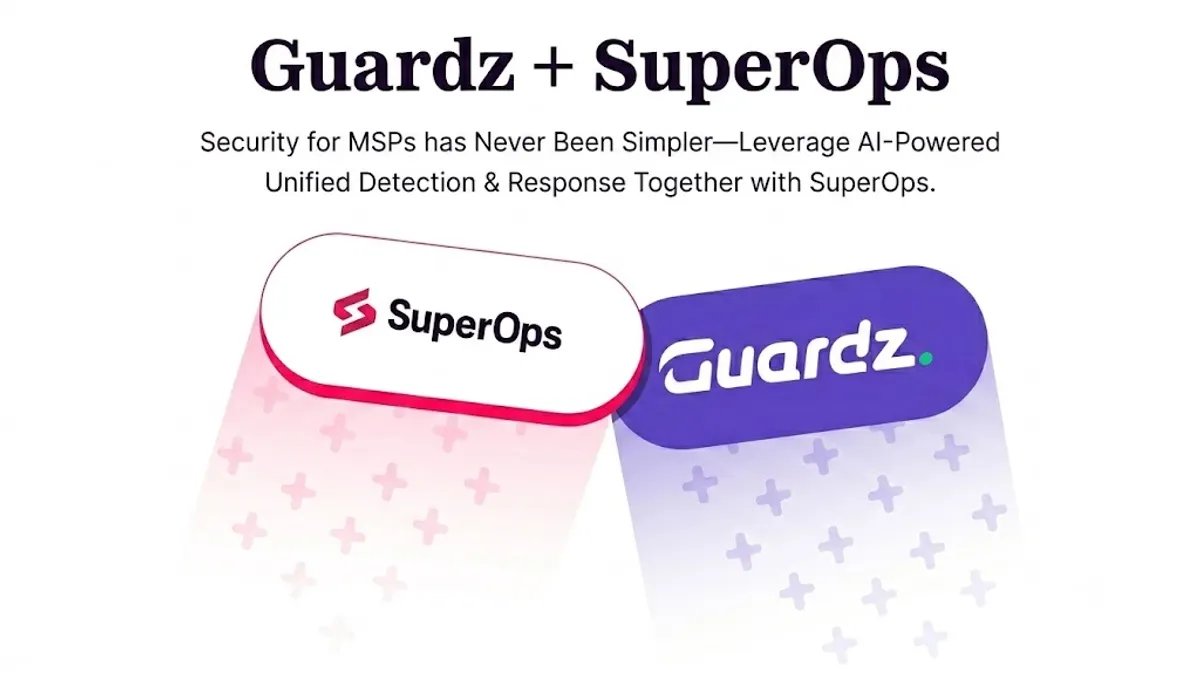
SuperOps and Guardz have announced a strategic partnership and bundled offering built around this premise. The bundle pairs SuperOps, which unifies PSA, RMM, MDM, ticketing and automation, with the Guardz Ultimate Plan, which brings identity, endpoints, email and agentic threat detection and response into a connected platform backed by 24/7 MDR. The stated goal is to give MSPs a single foundation where operations and security share a data fabric, reducing the context gaps that currently limit both human and AI-driven workflows.
"We are in uncharted waters," said Parthiban. "The only thing I would say is that in these times, you need the right tools to navigate. You can't be tied down with limited capabilities. If you have modern tools, you will be as good as your tools are."
The broader consolidation trend in the channel suggests the window for running a competitive MSP business on a fragmented stack is narrowing faster than most providers expect. Platform vendors are integrating vertically. Customer requirements are expanding horizontally. The MSPs who rationalize their foundations now will be structurally positioned to deliver services the fragmented stack cannot. Those who treat this as a future problem will find it has already become a present one.