

The world’s largest IT distributor moved deeper into telecom with its newest vendor partner.
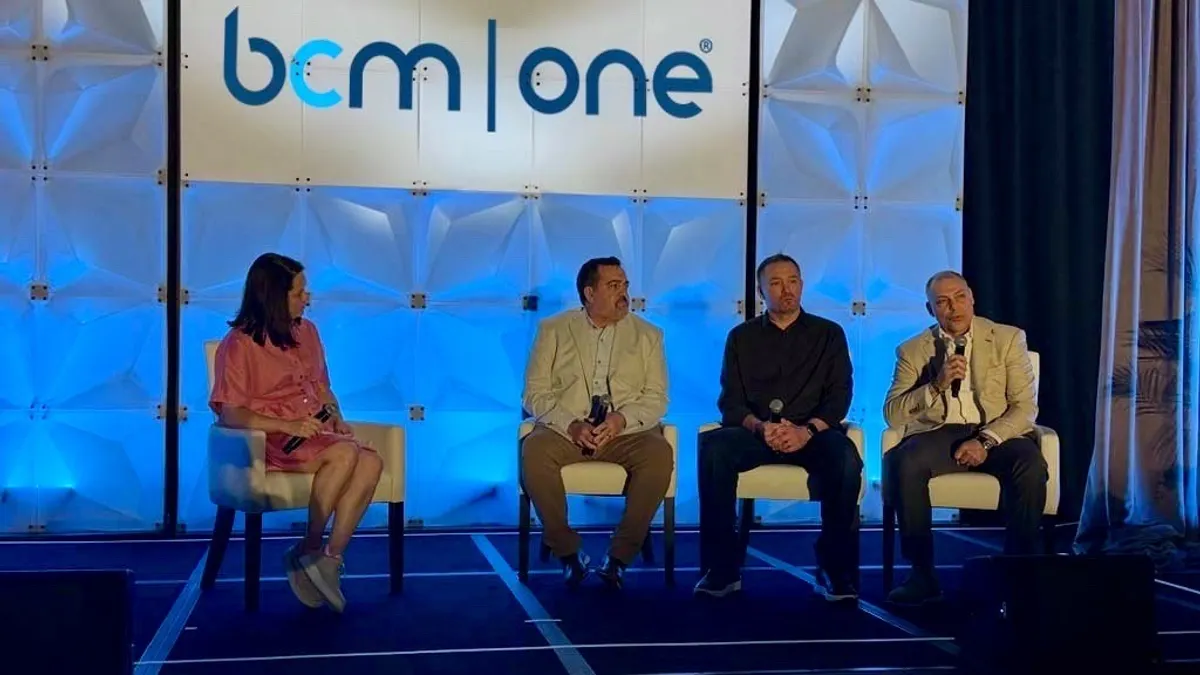
TD Synnex and BCM One announced a supplier agreement with BCM One this week. Under the terms of the deal, TD Synnex will recruit partners to BCM One’s white label unified-communications-as-a-service platform and sell the provider’s managed voice and data solutions. The move expands TD Synnex’s telco offerings at a time when many of its value-added reseller and managed service provider partners feel pressure to bundle IT and telco services.
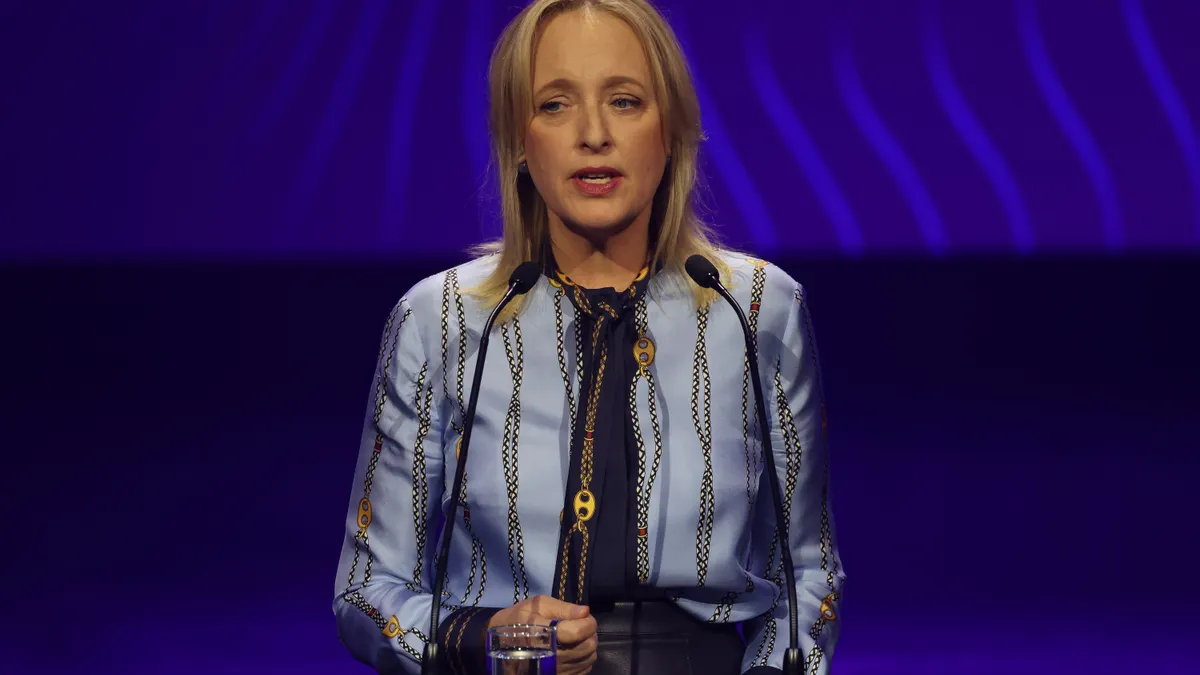
“In order to keep that customer stickiness, they have to be able to support the entire user’s experience,” TD Synnex VP of Cloud Marketplaces and ISV Marcie Stout told Channel Dive.
The alliance gives BCM One — a network-focused MSP — an opening to court channel partners traditionally associated with IT.
“The opportunity there is mostly with people who are migrating towards cloud offerings, often from the likes of Cisco and Microsoft,” BCM One CRO Bryan Sheppeck said. “Who knows the Cisco and Microsoft VAR and systems integrator community better than TD Synnex?”
BCM One’s primary route to market is through technology services distributors and technology advisors, which sell in a commission-based agency model. The company also maintains a small direct sales force. Members of BCM One’s leadership team — refreshed in 2025 — have a history of working with IT distributors, including Sheppeck and Chief Product Officer Adnon Dow.
The TSD and TA partnerships are working just fine, Sheppeck said, but TD Synnex will open up additional customers. The distributor, for example, has state contract vehicles for state, local, and education customers.
“There's just a lot of dimensions that you don't generally find in a master agent relationship that you do find in distribution,” Sheppeck said.
That being said, TD Synnex has a TSD arm and an agency route, which will be put to use for some of its deals with BCM One — particularly contracts involving large customers.
“That will be a part of this relationship too, I suspect, so that when these VARs or systems integrators bring a large deal, it'll still go on our paper, because we're the carrier. We have to sign up for all those SLAs, etc,” Sheppeck said.
Both companies are poised to handle billing for partners. Stout said TD Synnex has developed bill-on-behalf capabilities for partners that want to sell the technology but don’t want to send an invoice.
“That's what we really focus on pushing out. We can wrap a lot of things around those services that the traditional TSDs can't,” Stout said. “We have financing capabilities. We have public sector programs through all these different types of programs that we have. So it's a different focus for us.”
TD Synnex’s TSD/agency practice has flown under the radar since its inception several years ago, though it was noted by Omdia analyst Devan Adams in a January TSD market report. According to vendor sources, the company originally leaned on AppDirect for some of its contracts but has been increasingly expanding its own agreements.
TD Synnex aims to pair distribution capabilities with a TSD practice to help partners deliver full-stack solutions, a strategy ScanSource has also adopted. In the BCM One announcement, TD Synnex called itself a “solutions aggregator.”
“If you just looked at us like, 'Hey, you're a TSD, do you do the same type of modeling?' We don't, because we're making it more of a solution play, not just, 'Hey, I handed you this customer and this reseller. Now pay me out the referral,’” Stout said.
Expanding into telecom is strategic for TD Synnex because it’s strategic for TD Synnex partners. Stout said MSPs and VARs have ignored voice and data for years, while a specialist handled the phones for clients. Now the physical phone companies and the partners reselling them are under pressure from a wave of digital-first competitors, and clients are looking to consolidate partners.
“Legacy phone systems are dying. Everything's moving into AI and from a customer's experience, especially from Teams and WebEx, they're not looking to have 15 different providers that they have to call into,” Stout said.
The partners that win in the future will think holistically and sell across the portfolio, according to Stout. But if they expand into telco, they’ll need to tap vendors and distributors who can take the contractual and taxation headaches on.
Distributors, just like their partners, want recurring revenue. Telecom, and in many cases, a TSD model, is one of the ways to get there.
“What's interesting to watch on the distribution side is the evolution towards facilitating recurring revenue models and OpEx, and that's certainly something that's become infinitely more prominent in their strategies over the last decade,” Sheppeck said.