Dive Brief:
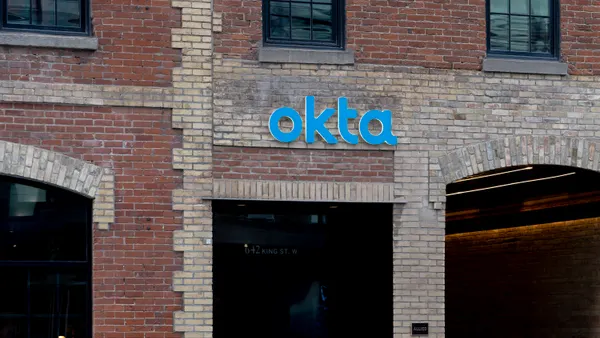
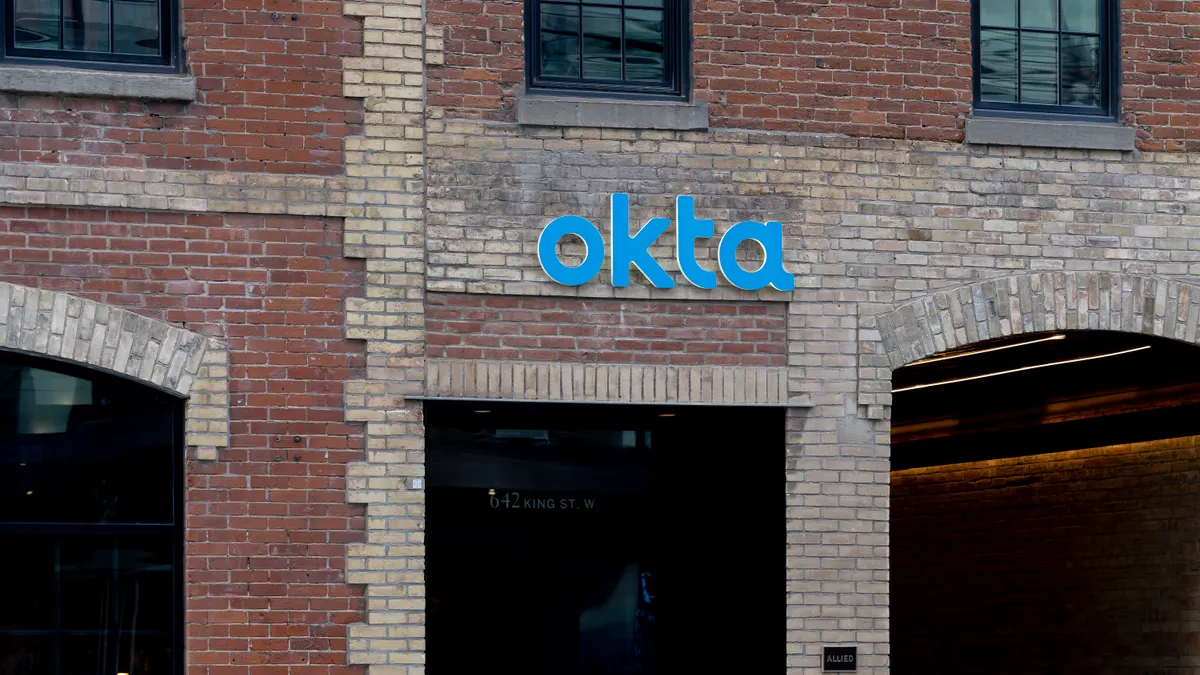
- Okta is leaning on channel partners to manage customer deployments of its cybersecurity platform, company executives said during a Wednesday earnings call for the cybersecurity vendor’s Q4 2026 earnings call for the three months ended Jan. 31.
- “We're going to give up the professional services dollar as an investment to make this whole ecosystem bigger and empower our long-term subscription growth,” Chairman and CEO Todd McKinnon said. “When our partners are involved, the average deal size is bigger, and the close rates improve.”
- Channel partners — specifically global systems integrators — were instrumental in 18 of Okta’s largest 20 deals in Q4, according to McKinnon. The company saw quarterly revenue grow 11% year over year to $761 million, with platform subscription revenue increasing 11% to $747 million, according to the earnings release.
Dive Insight:
Cybersecurity spending is rising as threats evolve and the cost of breaches grows. An emerging class of AI-related vulnerabilities and attack vectors has only increased the urgency and complexity of defense initiatives.
This year, major strategy shifts will supplant incremental cybersecurity changes, as AI adoption and emerging quantum computing capabilities shape enterprise purchases, according to a recent Omdia report. The analyst firm, a Channel Dive sister company, expects the shift to have major channel implications, with roughly 90% of more than $300 billion in cybersecurity spending running through partner ecosystems.
Okta pivoted to a partner-first strategy in 2024, embarking on a multiyear channel development initiative. The company reaffirmed its channel commitment earlier this year as part of a broader platform push that included hiring four executives to shore up that strategy.
McKinnon underscored the importance of building out Okta’s security information and event management platform capabilities.
“The SIEM market is transitioning to be not just a platform for logging in and doing authentication and authorization, but it's a platform for customers building agentic interfaces to their customers and to agents coming into their systems,” McKinnon said.
Companies want fewer tools that work better together — a shift that's boosting platform vendors at the expense of point solutions, according to research by the Futurum Group.
“Buyers aren’t swapping out security tools primarily to shrink their bill; they are drowning in alerts and disconnected dashboards,” Futurum Group VP and Practice Lead Fernando Montenegro said in the March 2 report. “Organizations are willing to invest in platforms if it means gaining superior integration and reducing the day-to-day friction of the fragmented environments they currently inhabit.”
Systems integrators are the key to successful implementation of the Okta Identity Governance, as well as identity, governance and administration solutions, Mckinnon acknowledged.
“Customers are choosing OIG because it's a full IGA cloud-native solution built into our unified platform, not a siloed point solution,” he said. “You're seeing a product suite that is more capable than ever that needs GSIs to help install it correctly and scale it out.”