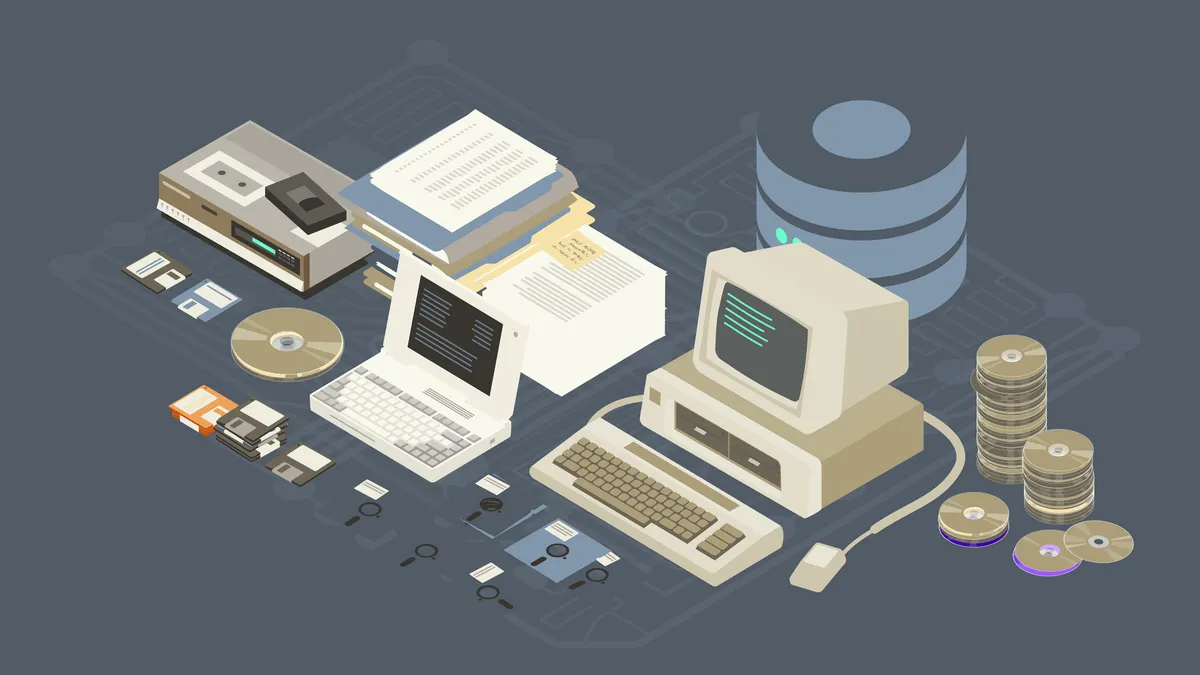
For those outside this niche IT sector, IT Asset Disposition (ITAD) may not be well known. But these businesses play an important role in the global economy. ITAD firms specialize in the secure and environmentally responsible disposal of obsolete or unwanted hardware. When a corporation refreshes its fleet of laptops, servers, or mobile devices, ITAD providers step in to handle data destruction, equipment refurbishment, and responsible component recycling. Today, this industry is undergoing a metamorphosis that looks remarkably familiar to seasoned observers of the technology mergers and acquisitions landscape.
I think the ITAD space is reminiscent of the managed service provider market of 2018 and 2019. During that period, private equity firms descended on the MSP sector, eager to consolidate fragmented businesses into powerful platforms. Now, ITAD owners are finding themselves in a similar spotlight, often receiving multiple inquiries from private equity firms each week.
The primary catalyst for this surge in investor interest is a fundamental shift in business models. Historically, the ITAD industry operated on a transactional basis. A company would approach a client, bid on a batch of used equipment, and purchase it in cash. The ITAD firm then assumed the risk, hoping to realize a margin by selling the equipment downstream through wholesale or retail channels. Although this model has existed for 50 years, investors regard it as outdated because it lacks predictive power.
Private equity firms seek stability, and that comes from recurring revenue. Much like implementation companies have moved toward managed services, ITAD firms are now moving customers to long-term, recurring contracts. The leading companies are no longer just buying equipment. Instead, they are charging for the ongoing management of the asset lifecycle.
This evolution is driven by factors beyond financial engineering. Environmental regulations are tightening globally, requiring corporations to have a consistent, documented process for hardware disposal. Additionally, the pace of innovation among hyperscalers such as Apple and Google has created a relentless product refreshment cycle. These giants must have the fastest and most advanced systems to maintain their edge, often refreshing their equipment regularly.
This creates a massive opportunity for the modern ITAD provider. When a hyperscaler offloads its old equipment, that hardware is still significantly better than what many other organizations currently use. This creates a multistage cycle in which equipment cascades through the market down to smaller companies over several years. A modernized ITAD firm can manage and profit from this process at every stage, charging service fees throughout the asset's lifecycle.
New revenue opportunities
For CEOs and owners seeking a high valuation multiple, the path forward involves shifting away from pure hardware speculation. While many firms still offer options, companies that earn the highest interest from buyers are those that have shifted at least part of their business to a recurring services model.
There are several attractive ways to structure these businesses. Some firms use a consignment or revenue-share model, in which the firm receives a percentage of the final sale price after securing the highest price for the equipment. Others use a hybrid approach, in which they move equipment and handle data erasure for a fee, then deduct the cost of those services from the amount owed to the client for the hardware.
However, the gold standard for private equity is pure services. This involves charging companies a flat fee for the regular movement, decommissioning, and management of equipment. By transforming ITAD from a one-time logistics headache into a regular, managed service, firms can build the kind of predictable, scalable revenue that justifies a premium multiple during a sale.
The ITAD industry is no longer just about recycling scrap metal or wiping hard drives. It is becoming a sophisticated professional services sector. For owners and CEOs, the advice is clear: modernize the revenue stream. By adopting a managed services mindset and leveraging the rapid refresh cycles of global tech leaders, ITAD firms can position themselves as the next major platform for private equity.
In practice, the consolidation pressure and evolution of capabilities we are seeing in the space, driven by inflows of capital from private equity, will eventually force channel partners like VARs and distributors to make a decision. They can either invest further into their existing ITAD practices to meet the new industry standards, or partner with a new ITAD business that has modernized and focuses on high-quality services.
The window of opportunity that MSPs saw five years ago is now open for ITAD. Those who can prove they are a service partner rather than just a hardware buyer will lead the next wave of industry consolidation.